Pro Dive Center
Learn How To Dive Just With PROs

Info@ProDiveCenter.Com

Professional Association Of Diving Instructors
Pro Dive Center


PATTAYA - KOH SAK
Just a short boat ride from Pattaya, Koh Sak is one of the area's most popular dive sites, offering an excellent combination of easy diving, healthy marine life, and fascinating underwater landscapes. Suitable for divers of all experience levels, this horseshoe-shaped island provides sheltered conditions for much of the year, making it an ideal location for training dives, fun dives, underwater photography, and marine life encounters.
The dive site features gently sloping reefs, rocky outcrops, sandy patches, and coral-covered boulders that create a diverse habitat for a wide variety of marine species. Depths typically range from 5 to 18 metres, allowing for long bottom times and comfortable dives in warm tropical waters. Visibility generally varies between 5 and 15 metres depending on seasonal conditions, with the best clarity often found during the cooler months.
Koh Sak is home to an impressive diversity of reef life. Schools of fusiliers, yellowtail barracuda, and snapper frequently patrol the reef, while angelfish, butterflyfish, bannerfish, and parrotfish add vibrant colour throughout the dive. Blue-spotted stingrays are commonly seen resting on sandy bottoms, and careful divers can often spot moray eels peering from crevices alongside shy octopus hiding among the rocks.
Macro enthusiasts will find plenty to keep their cameras busy. Nudibranchs, cleaner shrimp, porcelain crabs, pipefish, and colourful sea slugs can all be discovered with a patient search. During certain times of the year, lucky divers may even encounter juvenile cuttlefish or squid hovering over the reef.
The hard and soft corals around Koh Sak continue to support a thriving ecosystem, with large sponges, sea whips, feather stars, and anemones providing shelter for countless reef inhabitants. Several sections of the reef also feature artificial structures that have become home to schools of juvenile fish and various invertebrates, adding another dimension to the dive.
The site's generally calm conditions make it an excellent location for Open Water training, Advanced Adventure dives, buoyancy practice, and underwater navigation exercises. More experienced divers appreciate the opportunity to slow down, explore every crevice, and enjoy relaxed underwater photography without strong currents.
Whether it is your very first ocean dive or your hundredth, Koh Sak consistently delivers enjoyable, wildlife-filled experiences. Its accessibility, abundant marine life, varied topography, and reliable diving conditions have earned it a reputation as one of Pattaya's must-dive locations and a favourites among both local dive professionals and visiting divers.

PATTAYA - KOH LARN
Koh Larn, also known as Coral Island, is one of Pattaya's premier diving destinations, offering a diverse underwater environment that appeals to both beginner and experienced divers. Located just a short boat journey from the mainland, the island features numerous dive sites with healthy reefs, rocky formations, sandy seabeds, and abundant marine life. Its convenient location, relatively calm conditions, and variety of underwater terrain make Koh Larn a favourite for recreational diving, training courses, and underwater photography.
Most dive sites around Koh Larn range from 5 to 22 metres in depth, providing excellent opportunities for long, relaxed dives. The island's sheltered bays often offer gentle currents and comfortable diving conditions, making it an ideal location for Open Water students, Advanced divers, and those looking to improve buoyancy and navigation skills. Visibility typically ranges from 5 to 15 metres, although seasonal changes can occasionally provide even clearer conditions.
The reefs surrounding Koh Larn support an impressive variety of tropical marine life. Schools of fusiliers, yellowtail barracuda, rabbitfish, and snapper regularly cruise above the coral, while butterflyfish, angelfish, wrasse, parrotfish, and sergeant majors bring constant movement and vibrant colour to the reef. Divers frequently encounter blue-spotted stingrays resting on sandy patches, while moray eels can often be seen peeking from rocky crevices.
Macro enthusiasts will discover countless hidden treasures among the coral and rubble. Colourful nudibranchs, cleaner shrimp, porcelain crabs, pipefish, flatworms, and tiny gobies are common sightings for divers willing to slow down and search carefully. Octopus and cuttlefish are also regularly spotted, blending seamlessly into their surroundings before revealing themselves with remarkable camouflage displays.
The coral formations around Koh Larn include both hard and soft corals, sea whips, sponges, feather stars, and anemones that provide shelter for countless reef inhabitants. Several artificial reef structures and submerged objects have become thriving ecosystems, attracting schools of juvenile fish and offering additional habitats for marine life.
One of Koh Larn's greatest strengths is its versatility. The island offers something for every diver, from gentle coral gardens perfect for first-time divers to deeper rocky slopes where experienced divers can explore marine biodiversity in greater detail. Underwater photographers appreciate the colourful reefs, abundant fish life, and frequent macro opportunities throughout the year.
Whether you're completing your first certification, enjoying a relaxed fun dive, or searching for unique marine life to photograph, Koh Larn consistently delivers rewarding underwater experiences. Its accessibility, diverse dive sites, rich biodiversity, and dependable conditions have firmly established it as one of Pattaya's most popular and enjoyable diving destinations.

Koh Krok is a small island located just off the coast of Pattaya, offering divers a peaceful and rewarding underwater experience away from the busier dive sites in the area. Although less frequently visited than nearby Koh Larn, Koh Krok has earned a reputation for its healthy coral reefs, abundant marine life, and relaxed diving conditions. Its close proximity to the mainland makes it an excellent destination for both beginner and experienced divers seeking colourful reefs, macro photography opportunities, and enjoyable recreational dives in the Gulf of Thailand.
Most dive sites around Koh Krok range from 6 to 20 metres in depth, providing comfortable profiles suitable for training dives, fun dives, and underwater photography. Gentle currents are common throughout much of the year, allowing divers to explore the reefs at a relaxed pace while enjoying extended bottom times. Visibility typically varies between 5 and 15 metres depending on seasonal weather conditions, with calmer periods often producing excellent underwater clarity.
The reef surrounding Koh Krok supports a rich diversity of tropical marine species. Schools of fusiliers, yellowtail barracuda, rabbitfish, snapper, and batfish frequently patrol the reef, while butterflyfish, angelfish, parrotfish, wrasse, damselfish, and sergeant majors create constant movement among the corals. Blue-spotted stingrays are regularly found resting on sandy areas between coral bommies, while moray eels often emerge from rocky crevices to observe passing divers.
Macro enthusiasts will find plenty to explore among the reef's intricate coral formations. Colourful nudibranchs, porcelain crabs, cleaner shrimp, pipefish, flatworms, gobies, and blennies are commonly encountered by divers who take the time to search carefully. Octopus and cuttlefish are frequent sightings, displaying remarkable camouflage before changing colour and texture as they move across the reef. Seahorses can occasionally be spotted clinging to soft corals and sea whips, providing a rewarding discovery for patient underwater photographers.
The coral habitat at Koh Krok features a healthy mix of hard corals, soft corals, sea fans, sponges, feather stars, and anemones that provide shelter for countless reef inhabitants. Rocky outcrops and scattered coral bommies create varied underwater terrain, supporting a wide range of marine biodiversity. Juvenile reef fish gather around these structures, while seasonal visitors occasionally include squid, trevally, and larger pelagic species passing through deeper water.
One of Koh Krok's greatest attractions is its tranquil atmosphere. With fewer dive boats visiting the island compared to other Pattaya dive sites, divers can often enjoy quieter underwater conditions and less crowded reefs. The combination of accessible depths, healthy coral growth, and abundant marine life makes it an excellent location for Open Water students, Advanced divers, underwater photographers, and anyone looking to enjoy a relaxed day beneath the surface.
Whether you are completing your first scuba certification, refining your diving skills, or simply exploring Pattaya's underwater world, Koh Krok offers consistently enjoyable diving throughout the year. Its colourful reefs, diverse marine life, peaceful environment, and convenient location have established it as one of Pattaya's hidden diving gems, rewarding visitors with memorable underwater experiences on every dive.
PATTAYA - KOH KROK

PATTAYA - KOH RIN
Koh Rin is widely regarded as one of the finest dive sites in the Pattaya region, offering healthier coral reefs, clearer water, and a greater abundance of marine life than many of the islands closer to the mainland. Located approximately 25 kilometres offshore, Koh Rin is usually reached on full-day dive trips, rewarding divers with pristine underwater scenery and a more remote diving experience. Its combination of dramatic topography, vibrant reefs, and excellent biodiversity makes it a favourite destination for experienced divers while still being suitable for confident beginners when conditions are calm.
The island features a variety of dive sites, including gently sloping coral gardens, rocky walls, granite boulders, swim-throughs, and deeper reef slopes. Depths generally range from 5 to 30 metres, allowing divers to choose profiles suitable for training, recreational exploration, or deeper adventure dives. Visibility is often among the best in the Pattaya area, commonly ranging from 10 to 20 metres and occasionally exceeding this during favourable seasonal conditions.
Koh Rin's reefs are home to an impressive diversity of marine life. Large schools of fusiliers, yellowtail barracuda, trevally, snapper, and rabbitfish frequently patrol the reef, while colourful angelfish, butterflyfish, bannerfish, parrotfish, wrasse, and damselfish create constant activity around the coral formations. Blue-spotted stingrays are regularly seen resting on sandy bottoms, and lucky divers may encounter eagle rays gliding effortlessly through the blue water during certain times of the year.
The healthy coral ecosystem supports countless smaller creatures for macro enthusiasts. Nudibranchs, pipefish, cleaner shrimp, porcelain crabs, flatworms, gobies, and blennies can be found hiding among hard and soft corals, sponges, sea fans, and feather stars. Octopus, cuttlefish, and moray eels are also common sightings for observant divers exploring the reef's many crevices and rocky overhangs.
Koh Rin is particularly popular with underwater photographers thanks to its excellent visibility, colourful reef structures, and abundant marine biodiversity. The combination of wide-angle reef scenes and exceptional macro opportunities makes every dive rewarding for photographers of all skill levels.
Although currents can occasionally be stronger than at Pattaya's inshore dive sites, they often attract larger pelagic species and increase fish activity around the reefs. Dive operators select sites according to weather and sea conditions, ensuring enjoyable and safe diving throughout the year.
For divers looking to experience the best natural reefs in the Pattaya region, Koh Rin consistently ranks among the top choices. Its healthy coral, diverse marine life, impressive underwater landscapes, and excellent visibility combine to create memorable dives that showcase the rich biodiversity of the Gulf of Thailand.

HTMS KHRAM
The HTMS Khram is one of the premier wreck dives in the Gulf of Thailand and is widely considered Pattaya's most iconic artificial reef. Resting upright near Koh Phai after being deliberately sunk by the Royal Thai Navy in 2003, this former naval landing ship has evolved into a thriving marine ecosystem and an exciting destination for advanced recreational and wreck divers. With its impressive size, safe penetration routes, and abundant marine life, the HTMS Khram offers an unforgettable underwater adventure that combines history, exploration, and vibrant sea life.
The wreck measures approximately 56–62 metres in length and sits on a sandy seabed between 28 and 30 metres, while the highest point of the bridge rises to around 14–15 metres below the surface. This allows divers to explore multiple levels of the vessel while remaining within recreational diving limits. Large openings were cut into the hull before sinking, creating well-lit swim-throughs and reducing overhead hazards for qualified wreck divers. The bridge, cargo deck, engine room, and side passageways are among the most popular sections to explore, each offering unique photographic opportunities and fascinating reminders of the ship's military past.
Over two decades beneath the sea have transformed the HTMS Khram into a flourishing artificial reef. Soft corals, sponges, feather stars, and encrusting marine life now blanket much of the steel structure, attracting an incredible diversity of fish. Massive schools of yellowtail barracuda often circle the mast and upper decks, while batfish, snapper, fusiliers, trevally, sweetlips, groupers, and lionfish patrol the wreck. Moray eels occupy hidden crevices, blue-spotted stingrays rest on the surrounding sand, and observant divers may encounter hawksbill turtles cruising gracefully past the superstructure. Macro photographers can also discover nudibranchs, cleaner shrimp, scorpionfish, gobies, and colourful flatworms among the coral growth.
Visibility typically ranges from 5 to 15 metres, although exceptional conditions during the cooler season can provide much clearer water. Mild to moderate currents are common and often bring increased fish activity, making every dive feel alive with movement. Because of the depth and occasional current, the HTMS Khram is best suited to Advanced Open Water divers or those completing advanced and wreck specialty training. Penetration dives should only be undertaken by properly trained divers using appropriate equipment and procedures.
Whether you're fascinated by maritime history, seeking your first true wreck dive, or hoping to photograph schooling barracuda against a dramatic steel backdrop, the HTMS Khram consistently ranks among Thailand's finest wreck dives. Its excellent preparation, thriving marine life, impressive structure, and exciting swim-throughs make it a must-visit site for any diver exploring the Pattaya region.

HTMS KUT
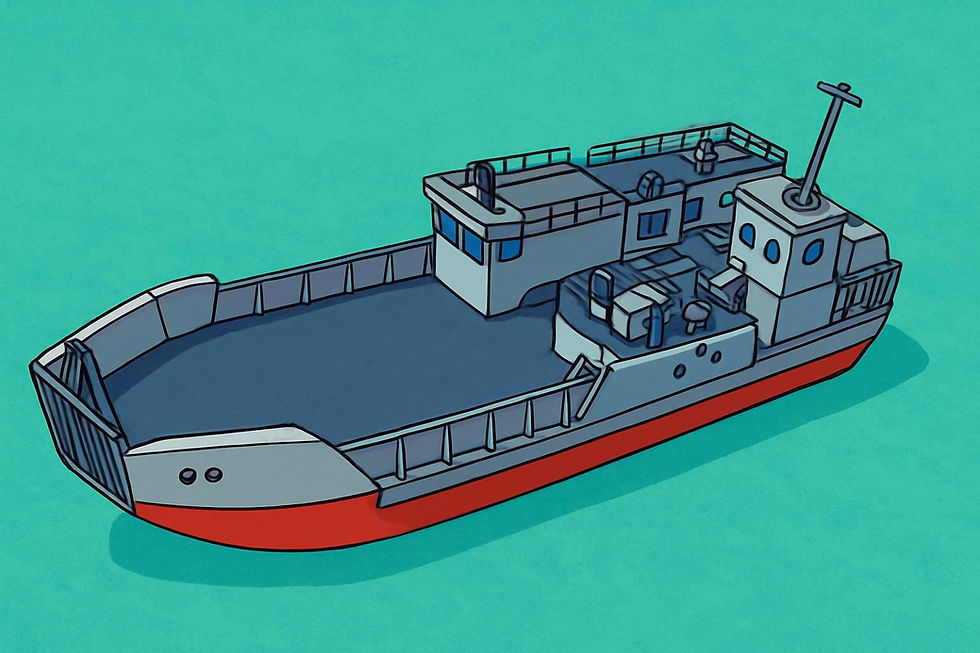
The HTMS Kut is one of Pattaya's most exciting wreck dives, offering advanced divers the opportunity to explore a purpose-sunk Royal Thai Navy vessel that has developed into a thriving artificial reef. Located near Koh Phai (Bamboo Island), the former landing craft was intentionally scuttled in 2006 as part of a marine conservation project to create new habitats for marine life while providing an outstanding wreck diving destination. Today, the HTMS Kut is recognised as one of the Gulf of Thailand's premier wreck sites, combining fascinating history, dramatic underwater scenery, and exceptional biodiversity.
Measuring approximately 63 metres in length, the HTMS Kut rests upright on a sandy seabed at around 30 metres, with the highest sections of the superstructure beginning at approximately 18–20 metres. This depth makes the wreck ideal for Advanced Open Water divers and those undertaking Deep or Wreck Diver specialty training. The vessel remains remarkably intact, with its bridge, open cargo deck, bow, stern, mast, and numerous passageways providing an impressive underwater playground for qualified divers.
Before the ship was sunk, the Royal Thai Navy carefully prepared the wreck by removing hazardous materials and cutting large access points throughout the structure. These wide openings allow trained wreck divers to safely explore sections of the interior, including corridors, accommodation spaces, and machinery compartments. Even without entering the wreck, the exterior offers countless points of interest, with towering steel structures covered in colourful marine growth.
Over the years, the HTMS Kut has become home to an extraordinary variety of marine life. Dense schools of yellowtail barracuda frequently circle the mast, while giant trevally, queenfish, snapper, fusiliers, sweetlips, batfish, and groupers patrol the decks. Lionfish often shelter beneath overhangs, while moray eels occupy hidden openings throughout the wreck. Blue-spotted stingrays rest on the surrounding sand, and lucky divers may encounter turtles or even the occasional eagle ray cruising past the wreck in the blue water.
Macro photographers will also find plenty to discover. Nudibranchs, cleaner shrimp, porcelain crabs, gobies, blennies, flatworms, and colourful sponges have colonised every available surface, transforming the steel hull into a vibrant artificial reef.
Visibility generally ranges from 8 to 20 metres depending on seasonal conditions, and currents can vary from mild to moderate, often attracting larger schools of pelagic fish. Due to the site's depth and occasional current, good buoyancy control and careful gas management are essential.
The HTMS Kut offers an unforgettable combination of naval history, exciting wreck exploration, and thriving marine biodiversity. Whether you're photographing schooling barracuda around the mast, exploring the impressive superstructure, or simply admiring how nature has reclaimed this former warship, the HTMS Kut delivers one of the most rewarding wreck diving experiences in the Pattaya region.
HTMS KUT
The HTMS Mataphon is one of Pattaya's lesser-dived but highly rewarding wreck sites, offering experienced divers the chance to explore a purpose-sunk Royal Thai Navy patrol vessel that has evolved into a flourishing artificial reef. Located near the Koh Phai island group alongside the famous HTMS Khram and HTMS Kut wrecks, the Mataphon provides an excellent combination of maritime history, underwater exploration, and rich marine biodiversity. Its smaller size, excellent structural condition, and abundant fish life make it an ideal destination for divers looking to experience a classic wreck without the crowds often found on Pattaya's more famous sites.
Originally commissioned as a patrol and coastal defence vessel, the HTMS Mataphon was intentionally scuttled by the Royal Thai Navy after being carefully prepared for recreational diving. Hazardous materials were removed, and access points were created to encourage marine life while allowing qualified wreck divers to safely explore selected areas of the vessel.
The wreck rests upright on a sandy seabed at approximately 28 to 30 metres, with the highest parts of the superstructure reaching around 18 metres below the surface. This profile places the site comfortably within recreational deep diving limits while providing enough depth to create an authentic wreck diving experience. The vessel's bridge, gun mounts, deck structures, railings, and open compartments remain clearly recognisable, giving divers an appreciation of its former military role.
Over time, the HTMS Mataphon has become completely integrated into the surrounding marine environment. Soft corals, colourful sponges, feather stars, sea whips, and encrusting organisms cover much of the steel structure, creating a vibrant habitat for reef fish and invertebrates. Large schools of fusiliers, yellowtail barracuda, batfish, snapper, trevally, and sweetlips frequently gather around the wreck, while lionfish, scorpionfish, and groupers patrol the darker recesses of the superstructure.
Divers who take time to inspect the wreck closely are often rewarded with fascinating macro life. Nudibranchs, cleaner shrimp, porcelain crabs, flatworms, gobies, blennies, and juvenile reef fish inhabit every corner of the wreck, while moray eels occupy pipes and sheltered openings. Blue-spotted stingrays are regularly seen resting on the surrounding sandy bottom, and occasional turtle sightings add to the excitement of the dive.
Visibility typically ranges from 8 to 20 metres depending on seasonal conditions, with mild to moderate currents helping to attract larger schools of pelagic fish. Because of the depth and occasional current, the site is best suited to Advanced Open Water divers or those with deep diving experience. Proper buoyancy control is essential to preserve the thriving marine life that now calls the wreck home.
The HTMS Mataphon offers an outstanding blend of history, adventure, and marine conservation. Whether exploring the ship's impressive exterior, photographing its colourful artificial reef, or enjoying encounters with schooling fish, this fascinating wreck provides a memorable dive that perfectly complements Pattaya's world-class collection of purpose-sunk naval vessels.

T 94 - T 95 Wrecks
The T94 and T95 Shipwrecks are the newest additions to Thailand's growing collection of artificial reefs and have quickly established themselves as two of the most exciting wreck dives in the Pattaya and Samae San region. Purposefully sunk by the Royal Thai Navy in September 2024, these identical coastal patrol vessels now rest side by side on the seabed between Koh Chuang and Koh Chan, creating an exceptional twin-wreck diving experience unlike any other in the Gulf of Thailand. Their close proximity allows divers to explore both wrecks during a single dive, making this site a must-visit destination for wreck enthusiasts and underwater photographers.
Each vessel measures approximately 34–35 metres in length and rests upright on a sandy bottom, with depths ranging from around 18 metres on the upper structures to approximately 28–30 metres at the seabed. The wrecks lie only 30 to 100 metres apart, depending on the route taken, making underwater navigation between them straightforward in good visibility. Both ships remain remarkably intact, with open decks, wheelhouses, engine rooms, and wide corridors offering exciting exploration opportunities for qualified divers. Large access openings were cut before sinking to improve safety while encouraging marine life to colonise every section of the vessels.
Although relatively new, the T94 and T95 are already showing remarkable signs of ecological development. Soft corals, hydroids, sponges, feather stars, and algae have begun covering the steel hulls, creating the foundation for thriving artificial reefs. Schools of fusiliers, yellowtail barracuda, snapper, batfish, rabbitfish, and trevally regularly patrol around the superstructures, while lionfish, moray eels, scorpionfish, and groupers occupy sheltered corners beneath the decks. Blue-spotted stingrays are frequently seen resting on the surrounding sand, and lucky divers may encounter hawksbill turtles or eagle rays cruising through the blue water as the ecosystem continues to mature.
Macro photographers will also find plenty of subjects among the growing marine life. Nudibranchs, cleaner shrimp, porcelain crabs, gobies, blennies, flatworms, and juvenile reef fish have already established themselves throughout the wrecks, demonstrating how rapidly artificial reefs become productive marine habitats.
Visibility generally ranges between 10 and 18 metres, with calm conditions prevailing for much of the diving season. Mild currents are common and often attract larger schools of fish, creating spectacular wide-angle photography opportunities around the bridges and masts. The site is suitable for Advanced Open Water divers and is an outstanding location for Deep Diver, Wreck Diver, Navigation, and Enriched Air (Nitrox) specialty courses, allowing longer bottom times to fully appreciate both vessels.
The T94 and T95 Shipwrecks perfectly combine naval history, marine conservation, and world-class recreational diving. As these artificial reefs continue to mature over the coming years, they are destined to become two of Thailand's premier wreck diving destinations, offering increasingly rich marine biodiversity and unforgettable underwater adventures with every visit.

HARDEEP WRECK
The Hardeep Wreck, originally known as the SS Suddhadib, is one of Thailand's most historic and iconic wreck dives. Unlike Pattaya's purpose-sunk naval wrecks, the Hardeep is a genuine World War II casualty, sunk by Allied bombers on 1 June 1945 while carrying supplies under Japanese control. Today, the 64-metre steam-powered cargo ship rests on her starboard side near Koh Chuang in the Samae San island group, offering an unforgettable blend of history, adventure, and thriving marine life. For many experienced divers, the Hardeep represents the pinnacle of wreck diving in the Gulf of Thailand.
The wreck lies on a sandy seabed at approximately 27–29 metres, with the highest sections reaching around 18–20 metres below the surface. Its sideways position creates a unique perspective, as what was once the deck now appears as a dramatic vertical wall covered in colourful marine growth. Much of the ship remains remarkably intact, including the bow, cargo holds, engine room, boiler section, propeller shaft, and sections of the bridge. Large cargo holds, often referred to by local divers as "the Cathedral," are illuminated by shafts of natural light, creating spectacular opportunities for underwater photography.
After more than 80 years beneath the sea, the Hardeep has transformed into a flourishing artificial reef. Thick colonies of soft corals, sea whips, tube sponges, feather stars, hydroids, and encrusting organisms blanket the steel hull, attracting an extraordinary diversity of marine life. Massive schools of yellowtail barracuda frequently circle above the wreck, while batfish, giant trevally, queenfish, snapper, sweetlips, groupers, tuskfish, and lionfish patrol every level of the structure. Moray eels hide within pipes and openings, while blue-spotted stingrays rest on the surrounding sand. Lucky divers may also encounter hawksbill turtles, marble rays, eagle rays, and, on rare occasions, whale sharks or bull sharks passing through the area.
Macro photographers are equally well rewarded. Nudibranchs, cleaner shrimp, porcelain crabs, gobies, blennies, flatworms, and colourful scorpionfish inhabit every surface of the wreck, making slow exploration just as rewarding as wide-angle photography.
Visibility typically ranges from 5 to 15 metres, although during the northeast monsoon season it can exceed 20 metres. Currents can be moderate to strong and may change rapidly, making careful dive planning essential. Because of the site's depth, overhead environment, and variable conditions, the Hardeep is recommended for Advanced Open Water divers, while wreck penetration should only be undertaken by properly trained wreck or technical divers using appropriate equipment and procedures.
The Hardeep is far more than just a shipwreck—it is a living piece of history. Every dive combines wartime heritage with vibrant marine biodiversity, offering dramatic scenery, fascinating exploration, and some of the best fish life found anywhere in the Pattaya and Samae San region. Whether you're photographing schooling barracuda around the bow, exploring the cavernous cargo holds, or simply admiring decades of coral growth reclaiming the steel hull, the Hardeep Wreck remains one of Thailand's most memorable and rewarding dive sites.

Hin Chalam
Hin Chalam, meaning "Shark Rock" in Thai, is widely regarded as one of the finest natural reef dive sites in the Samae San Marine Park and among the best diving locations in the greater Pattaya region. Located beyond the main island group near Koh Chan, this remote offshore pinnacle rewards divers with exceptional visibility, dramatic underwater topography, healthy coral growth, and the possibility of encounters with larger pelagic species. Although it requires a longer boat journey than Pattaya's inshore reefs, Hin Chalam consistently delivers a world-class diving experience that is well worth the trip.
The dive site consists of granite pinnacles, sloping reefs, vertical walls, scattered boulders, and coral-covered outcrops that rise from depths of around 22–25 metres to just 5 metres below the surface. One of the site's highlights is a spectacular wall on the southern side, dropping nearly vertically into deeper water. Nearby, a shallow cave-like overhang and several swim-around rock formations create exciting opportunities for exploration and underwater photography. The varied terrain allows for excellent multi-level dive profiles suitable for Advanced Open Water divers, while shallower sections can also be enjoyed by less experienced divers when conditions are calm.
Hin Chalam is renowned for its incredible marine biodiversity. Dense schools of fusiliers, snapper, batfish, trevally, barracuda, and queenfish patrol the reef throughout the dive, while angelfish, butterflyfish, wrasse, parrotfish, and colourful damselfish occupy the coral gardens. The site earned its name from the regular sightings of blacktip reef sharks and bamboo sharks, while lucky divers occasionally encounter eagle rays, marble rays, Jenkins whiprays, and even migrating whale sharks cruising through the blue water during the right season.
Macro photographers will find equally rewarding subjects hidden among the rocks and coral. Nudibranchs, cleaner shrimp, porcelain crabs, flatworms, gobies, blennies, scorpionfish, pipefish, and moray eels are common discoveries for divers who slow down and carefully inspect the reef. Large sea fans, barrel sponges, sea whips, hard corals, soft corals, feather stars, and anemone gardens create colourful habitats that support an extraordinary range of marine life.
Visibility is often among the best in the Gulf of Thailand, typically ranging from 10 to 30 metres depending on season and tidal conditions. Mild to moderate currents are common and can occasionally become strong, making drift dives particularly enjoyable while attracting larger pelagic fish. Because of its exposed location and changing conditions, Hin Chalam is best suited to Advanced Open Water divers or confident Open Water divers accompanied by experienced dive professionals.
For divers seeking pristine reefs, dramatic underwater landscapes, and the chance to encounter both vibrant reef life and larger ocean species, Hin Chalam stands out as one of Thailand's hidden gems. Its combination of spectacular topography, healthy coral ecosystems, outstanding visibility, and exciting marine encounters makes it one of the most rewarding natural dive sites in the Pattaya and Samae San region.

Shark Fin
Shark Fin Rock is one of the most spectacular natural dive sites in the Samae San island group, renowned for its dramatic underwater topography, healthy coral reefs, and impressive diversity of marine life. Named after the distinctive granite pinnacle that protrudes above the surface like the dorsal fin of a shark, this offshore reef offers an exciting dive for photographers, marine life enthusiasts, and experienced recreational divers alike. Located within the protected waters of the Samae San Marine Park, Shark Fin Rock remains one of the region's hidden gems, rewarding divers with pristine underwater scenery and some of the clearest water found in the northern Gulf of Thailand.
Beneath the surface, the site consists of enormous granite boulders, steep rock walls, narrow gullies, swim-throughs, and gently sloping coral gardens. Depths range from approximately 5 metres near the shallow reef to over 25 metres along the deeper walls, allowing divers to enjoy varied dive profiles suitable for both exploration and training. The unique rock formations create countless sheltered areas where marine life flourishes, while dramatic drop-offs attract larger pelagic fish when currents are present.
The reef supports a healthy mix of hard corals, soft corals, sea whips, barrel sponges, sea fans, and feather stars that provide habitat for an abundance of tropical marine life. Schools of fusiliers, yellowtail barracuda, trevally, snapper, batfish, rabbitfish, and surgeonfish patrol the reef throughout the dive. Colourful butterflyfish, angelfish, parrotfish, wrasse, and damselfish weave through the coral, creating constant movement and vibrant underwater scenery.
Shark Fin Rock is particularly popular with divers hoping to encounter larger marine species. Depending on the season and current conditions, lucky visitors may spot eagle rays gliding effortlessly through the blue, marble rays resting on sandy patches, hawksbill turtles feeding among the reef, or even the occasional whale shark passing through the area during seasonal migrations. These exciting encounters make every dive feel unique.
Macro photographers will also find endless subjects hidden among the rocks and coral formations. Nudibranchs, porcelain crabs, cleaner shrimp, pipefish, gobies, blennies, flatworms, scorpionfish, and moray eels inhabit every corner of the reef. Patient divers are often rewarded with sightings of octopus and cuttlefish displaying remarkable camouflage as they move across the rocky seabed.
Visibility at Shark Fin Rock is typically excellent, ranging from 10 to 25 metres and occasionally exceeding this during calm weather. Mild to moderate currents are common and often enhance fish activity, making drift-style dives particularly enjoyable. Because conditions can vary with tides and weather, the site is best suited to Advanced Open Water divers or confident Open Water divers accompanied by experienced dive professionals.
Whether you're exploring dramatic granite formations, photographing colourful reef life, or searching the blue for larger pelagic visitors, Shark Fin Rock delivers an unforgettable diving experience. Its outstanding visibility, healthy coral ecosystem, exciting underwater landscapes, and rich marine biodiversity make it one of the premier natural dive sites in the Pattaya and Samae San region and a favourite among divers seeking a more adventurous day beneath the surface.

Koh Chuang
Koh Chuang is one of the premier natural dive sites in the Samae San archipelago, offering a spectacular combination of healthy coral reefs, dramatic rock formations, excellent visibility, and abundant marine life. Located within a protected marine conservation area south of Pattaya, Koh Chuang is frequently included on full-day dive trips and is highly regarded by local dive professionals for its pristine underwater environment. The island's remote location and relatively light diving traffic have helped preserve its vibrant reef ecosystem, making it one of the finest natural dive destinations in the northern Gulf of Thailand.
The underwater landscape at Koh Chuang is both varied and dramatic. Large granite boulders, rocky pinnacles, coral-covered slopes, sandy channels, and steep reef walls create an exciting environment to explore. Depths generally range from 5 metres in the shallow coral gardens to around 25 metres on the deeper reef, allowing divers to enjoy long, multi-level dives suitable for both recreational diving and advanced training. Numerous cracks, crevices, and swim-throughs provide shelter for a remarkable diversity of marine species and offer endless opportunities for exploration.
Koh Chuang is renowned for its healthy coral communities. Extensive fields of hard corals, colourful soft corals, sea fans, barrel sponges, feather stars, sea whips, and anemones support an incredibly rich marine ecosystem. Schools of fusiliers, yellowtail barracuda, snapper, rabbitfish, trevally, and batfish frequently patrol the reef, while angelfish, butterflyfish, wrasse, parrotfish, surgeonfish, and damselfish provide constant colour and movement throughout the dive.
The site is also known for occasional encounters with larger marine animals. Blue-spotted stingrays are commonly seen resting on sandy patches, while hawksbill turtles often forage among the coral-covered rocks. During favourable conditions, lucky divers may encounter eagle rays gliding through the blue water or schools of larger pelagic fish attracted by seasonal currents.
For macro enthusiasts, Koh Chuang offers an abundance of hidden treasures. Nudibranchs, cleaner shrimp, porcelain crabs, pipefish, gobies, blennies, flatworms, scorpionfish, and moray eels can be found tucked into coral heads and rocky crevices. Patient divers are often rewarded with sightings of octopus and cuttlefish demonstrating their remarkable camouflage abilities against the reef.
Visibility at Koh Chuang is typically excellent, often ranging from 10 to 25 metres depending on season and sea conditions. Mild to moderate currents help maintain the health of the reef while attracting larger schools of fish, making every dive feel vibrant and full of life. Although suitable for Open Water divers in calm conditions, the site's deeper sections and occasional currents make it especially rewarding for Advanced Open Water divers seeking more varied underwater terrain.
Whether you're exploring colourful coral gardens, navigating dramatic granite formations, photographing tropical reef life, or simply enjoying one of the healthiest reef systems in the region, Koh Chuang consistently delivers an outstanding diving experience. Its exceptional biodiversity, crystal-clear water, and protected marine environment make it one of the true highlights of diving in the Samae San Marine Park and a destination every diver should experience.

Koh Chan is one of the crown jewels of the Samae San Marine National Park, offering some of the healthiest coral reefs and most diverse marine ecosystems in the northern Gulf of Thailand. Located approximately 25 kilometres south of Pattaya, this protected island is renowned for its crystal-clear water, dramatic underwater topography, and abundant marine life. Accessible by full-day dive trips, Koh Chan rewards divers with pristine conditions that are rarely found at dive sites closer to the mainland, making it a favourite destination for underwater photographers, marine life enthusiasts, and experienced recreational divers.
The underwater landscape surrounding Koh Chan is remarkably varied. Massive granite boulders, gently sloping reefs, vertical rock walls, sandy channels, and coral-covered pinnacles create an exciting environment suitable for multiple dive profiles. Depths generally range from 5 metres in the shallow coral gardens to approximately 30 metres along the deeper reef slopes, making the site suitable for Open Water divers in calm conditions while also offering plenty to explore for Advanced Open Water divers.
One of Koh Chan's greatest attractions is the outstanding condition of its coral reef. Extensive colonies of branching and massive hard corals are complemented by colourful soft corals, sea fans, sea whips, barrel sponges, feather stars, and large anemone gardens. These healthy reef systems provide shelter for an extraordinary variety of marine life, creating one of the richest ecosystems in the region.
Schools of fusiliers, yellowtail barracuda, trevally, snapper, rabbitfish, surgeonfish, batfish, and sweetlips are commonly encountered throughout the dive. Colourful angelfish, butterflyfish, wrasse, parrotfish, and damselfish weave through the coral, while blue-spotted stingrays frequently rest on sandy patches between the reef. Hawksbill turtles are regular visitors to Koh Chan, feeding among the coral-covered rocks, and during favourable seasons lucky divers may encounter eagle rays or larger pelagic fish cruising through the blue water.
Macro photographers will also find endless opportunities. Nudibranchs, cleaner shrimp, porcelain crabs, gobies, blennies, pipefish, flatworms, scorpionfish, and moray eels inhabit the reef's countless cracks and crevices. Careful observation often reveals octopus and cuttlefish perfectly camouflaged among the rocks, providing fascinating encounters for patient divers.
Visibility at Koh Chan is typically excellent, often ranging from 12 to 25 metres and occasionally exceeding this during periods of calm weather. Mild to moderate currents help maintain the reef's exceptional health while attracting larger schools of fish and providing exciting drift diving opportunities. Because current strength can vary, dive operators carefully select entry points according to daily conditions.
Whether you're exploring colourful coral gardens, navigating dramatic granite formations, photographing thriving marine life, or simply enjoying one of Thailand's healthiest reef systems, Koh Chan consistently delivers an exceptional diving experience. Its protected status, remarkable biodiversity, outstanding visibility, and spectacular underwater scenery make it one of the finest natural dive sites in the Samae San archipelago and an essential destination for anyone diving the Gulf of Thailand.
KOH CHAN
